Industrial Site Safety and Integration Considerations
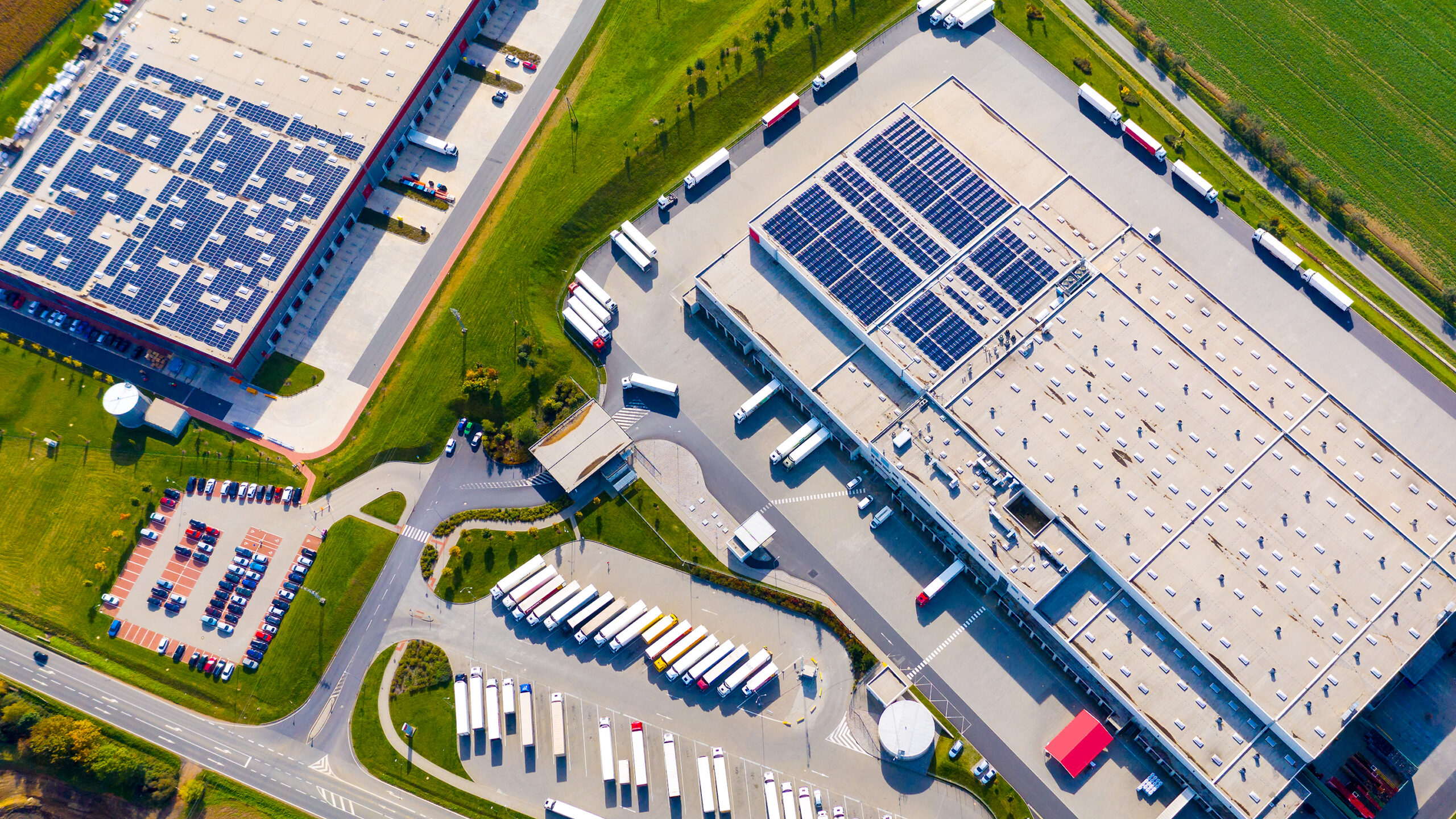
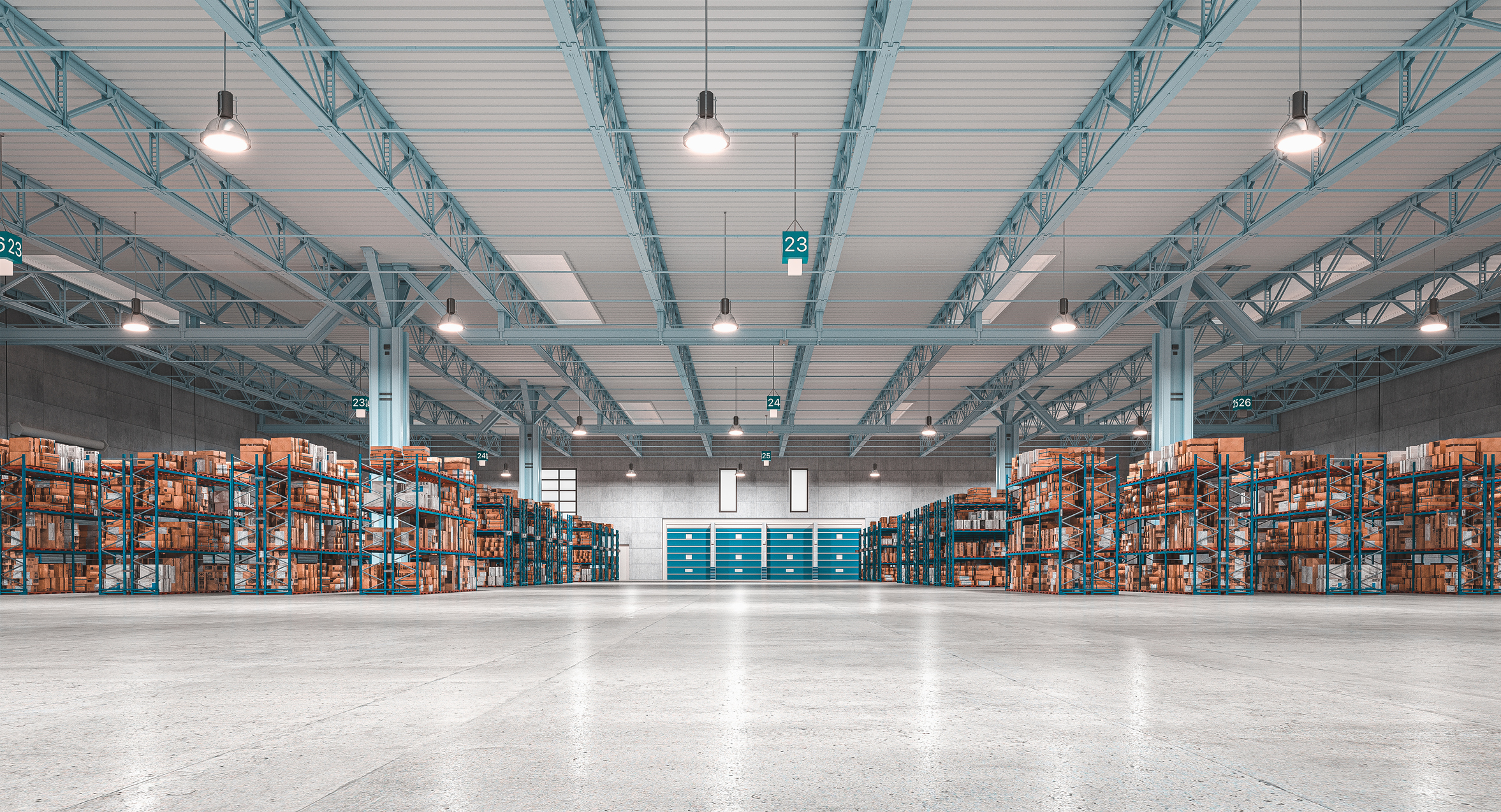
Industrial premises present a number of risks that influence how fire and security systems are specified. Flammable stock, high ceilings, dust, and large open areas can all affect detector choice and placement. For example, beam detectors or aspirating systems may be used in high bay warehouses, while specialist detectors are often required in areas with airborne contaminants.
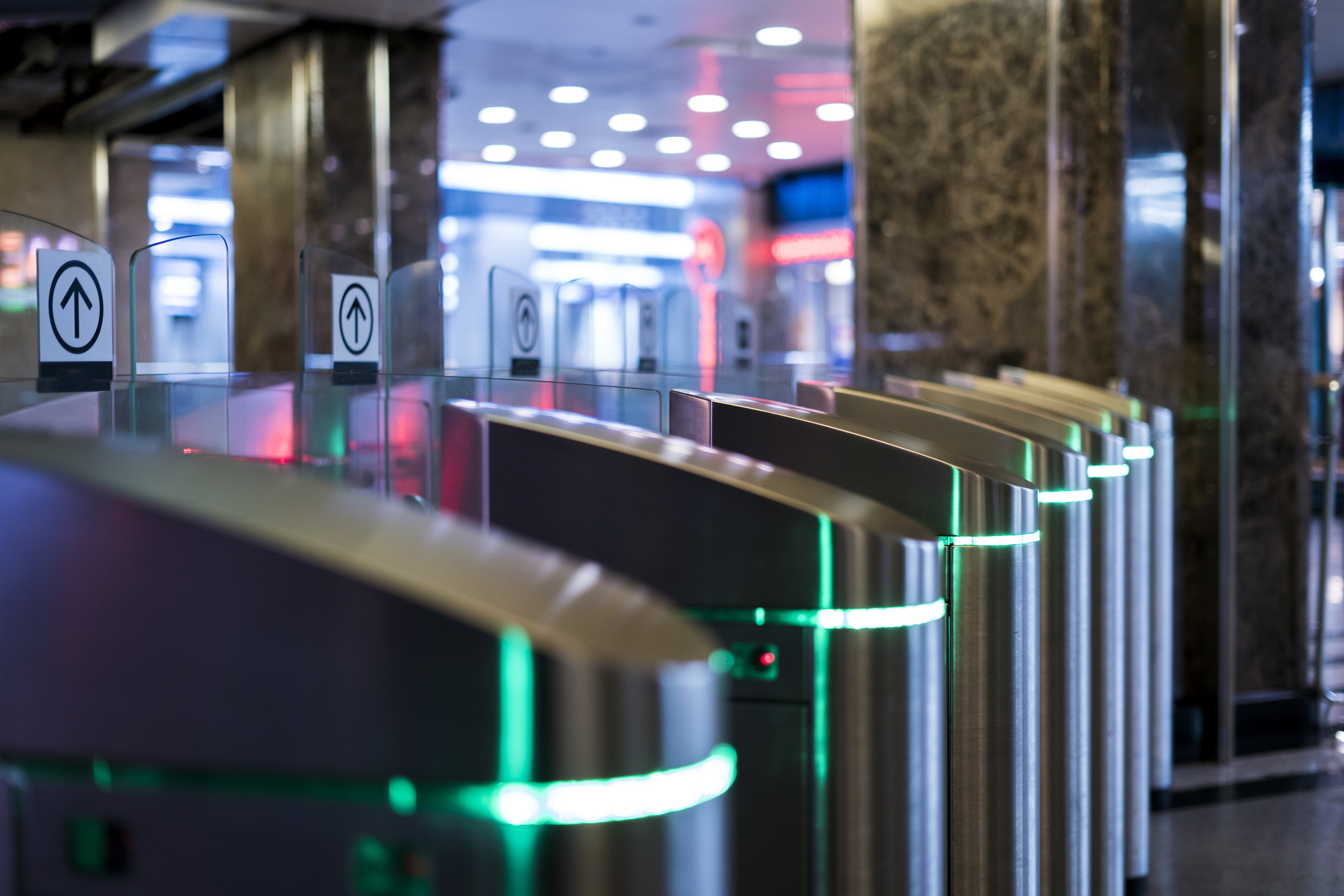
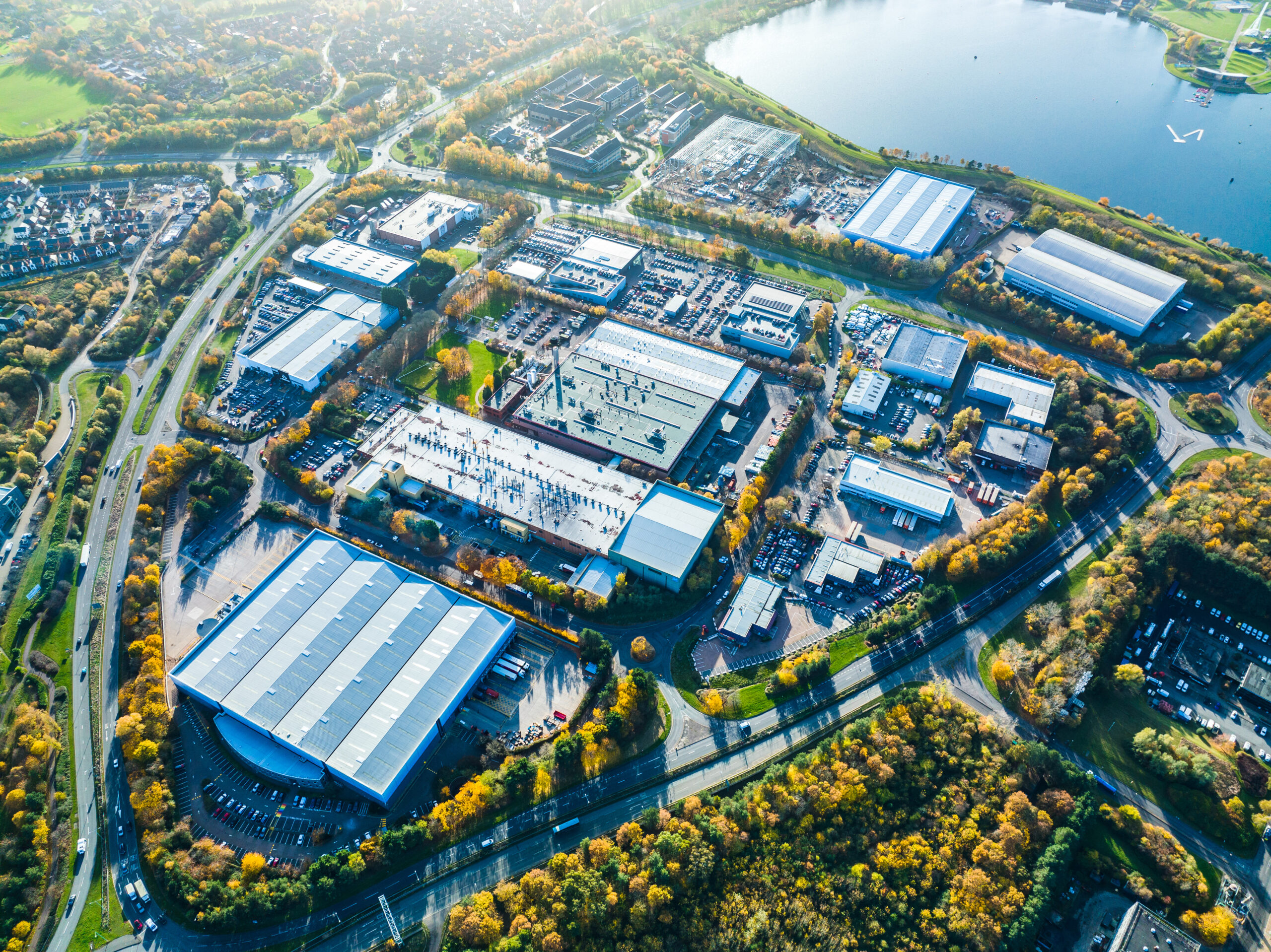
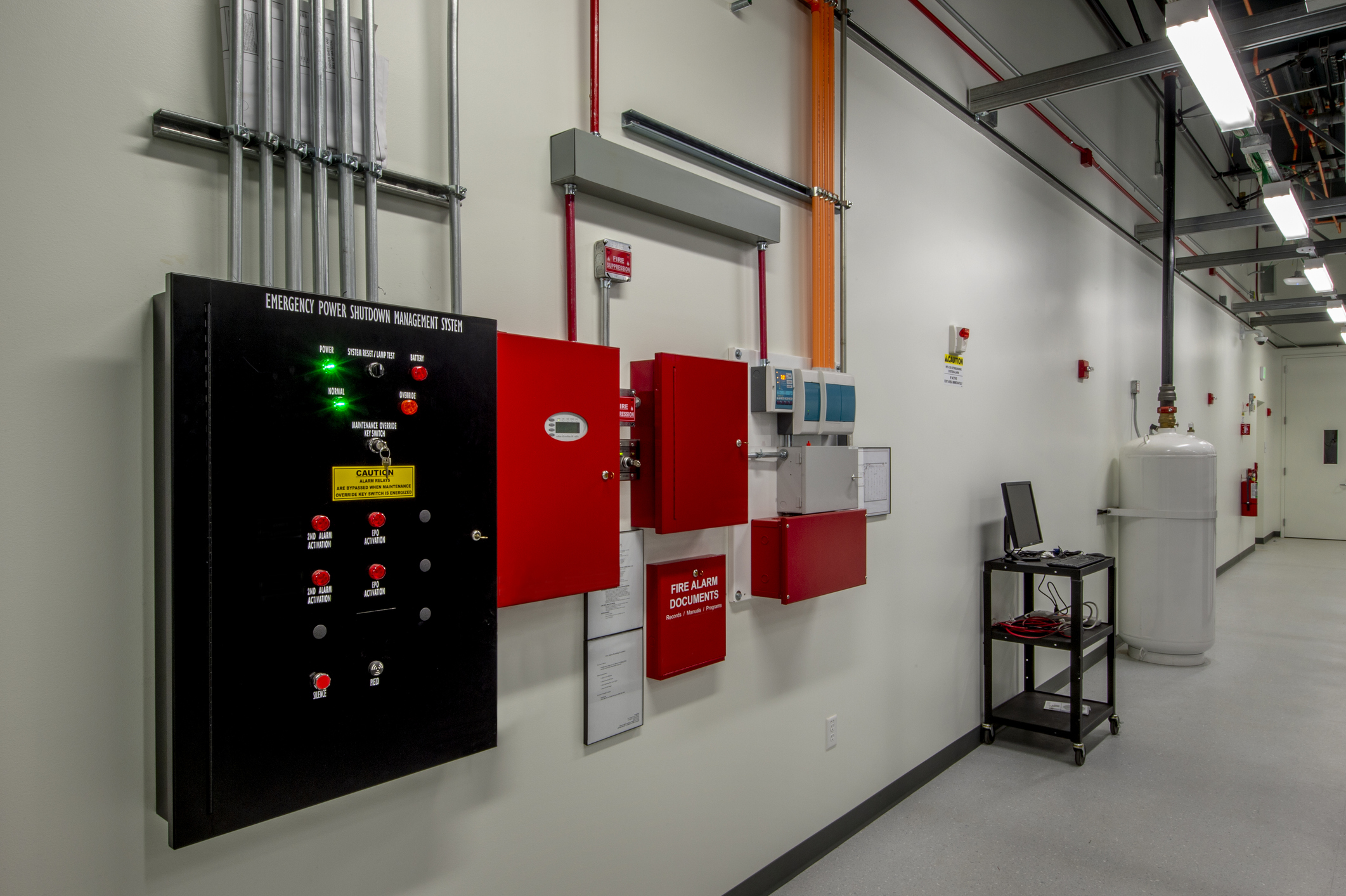
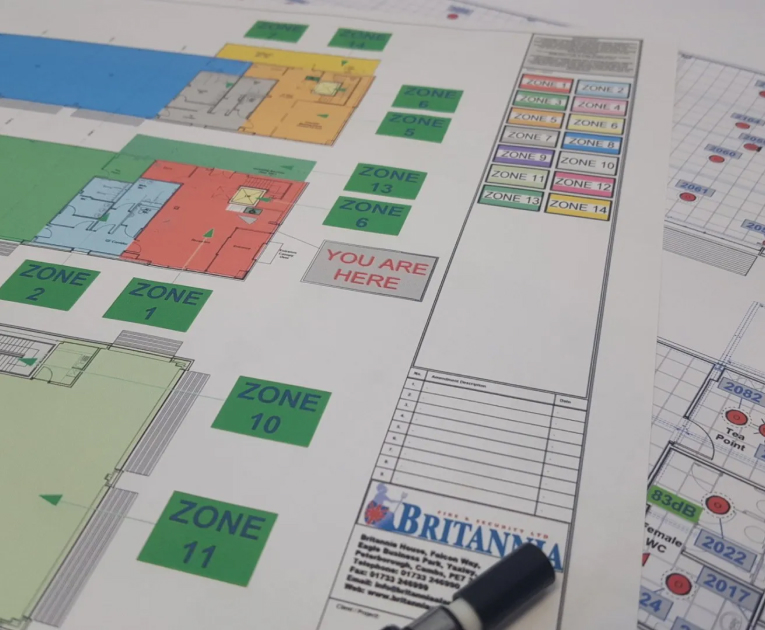
Systems must also work around operational constraints such as noise, heat, vibration, and restricted access zones. Devices are typically selected and positioned so they remain effective without disrupting day to day operations. Cabling routes, mounting positions, and maintenance access are all considered during the design process. Integration with existing operational technology and safety protocols is often important. Fire and security systems can be linked with access control, plant shutdown procedures, and process safety systems to support a coordinated response. Scalable design principles are used so installations can be phased across multiple buildings or yards as a site develops.
Resilience is also a key consideration. Systems often include redundancy, backup power supplies, and environmentally protected devices to ensure they continue to operate in demanding industrial conditions and across extended hours of use.























 5-Star Fire & Security Systems for Industrial Sector