


CCTV Monitoring for Businesses: A Guide
What is CCTV monitoring?
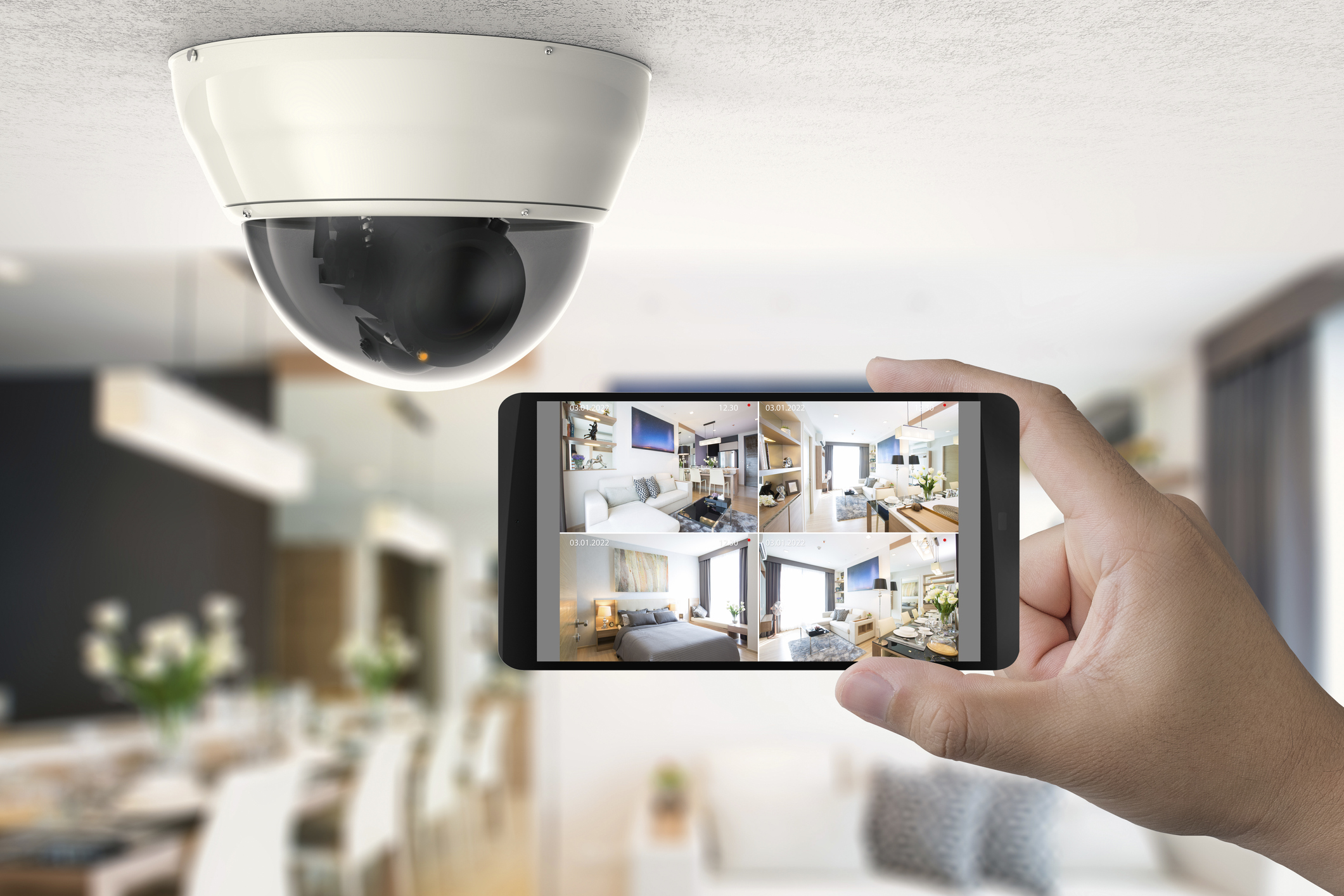
CCTV monitoring is a service that allows you to monitor your CCTV system remotely. You can use it to view live footage, playback footage and set up alerts. And with the option of monitoring multiple cameras at once, this feature can be especially helpful for businesses that have multiple locations or branches.
Why You Should Have a Secure CCTV Monitoring System for Your Business
If you own a business, you know that it’s essential to keep an eye on the property. Not only does this help prevent theft and vandalism from happening, but it also ensures that everyone is safe. CCTV monitoring can be a great way to protect your company from these potential threats.
The Benefits of CCTV Monitoring
Increased Security
CCTV is a powerful tool for business owners looking to increase their security without the need for security personnel. CCTV monitoring can deter potential intruders and protect your business from theft. It allows you to monitor your business remotely and detect any illegal activity immediately. With CCTV cameras, you can also have real-time alerts sent directly to your phone or email, which means that rapid response times are possible.
With an effective CCTV system in place, your business will be able to:
- Monitor all areas of the premises continuously and 24/7
- Access footage from anywhere in the world at any time
- Have detailed reporting available at all times
Negates the Need for Security Personnel
A CCTV monitoring solution is ideal for any business with multiple sites, as it can be used to remotely monitor these sites around the clock and at a lower cost than having security guards on site.
If you’re concerned about vandalism or theft, consider investing in CCTV monitoring software that allows you to detect abnormal activity by analysing footage from multiple cameras simultaneously. With this technology, you’ll have real-time access to each camera’s feed and can immediately alert authorities if something alarming occurs; whether it’s intruders trying to gain access through an unsecured door or window, or thieves stealing merchandise off shelves.
Rapid Response to Alarm Activation
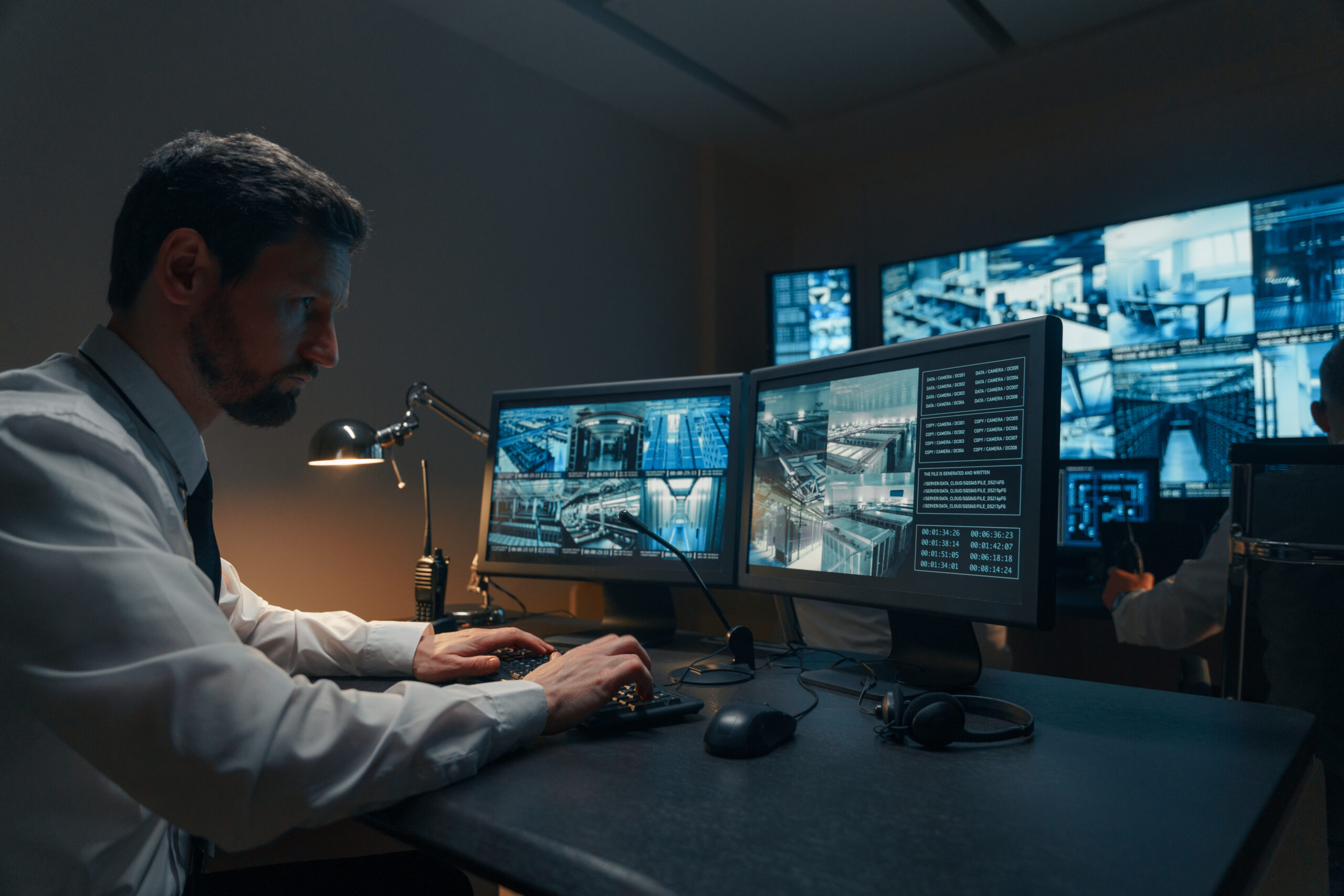
Remote viewing means that you can respond quickly when an alarm activates, minimising losses and making it easier to apprehend criminals who might otherwise escape unnoticed in a deserted facility. In the event of an alarm, CCTV operators can see exactly what is happening and act accordingly.
In addition, it can help you avoid false alarms by identifying whether or not an incident is a genuine threat before dispatching police or fire services.
Detailed Reporting
With access to live video feeds, detailed footage of incidents or suspicious activities will be available for review by authorities if needed so that appropriate action may be taken against perpetrators. This is especially useful when dealing with cases involving employee theft or embezzlement as well as other criminal activity such as robbery/battery committed by outsiders visiting your premises while under surveillance.
Insurance Companies Can Use CCTV Footage
Insurance companies can use CCTV footage to verify claims. They may use the footage to determine whether or not a claim is valid and should be paid, or if it’s fraudulent. CCTV footage can massively simplify an insurance claim process by providing clear, timestamped evidence of the event in question.
Britannia Fire & Security CCTV Monitoring Services
If you’re interested in adding security measures like these into your workplace, Britannia CCTV monitoring services will provide you with the most affordable, reliable and flexible solutions for your business.
We offer 24-hour monitoring that is tailored to your needs and requirements. Our CCTV engineers can carry out immediate repairs, maintenance and installation services when required.
If you have a question or concern about security, our trained staff is on hand to help solve any issues you may be facing with either existing or new systems.